Rethinking desalination from first principles
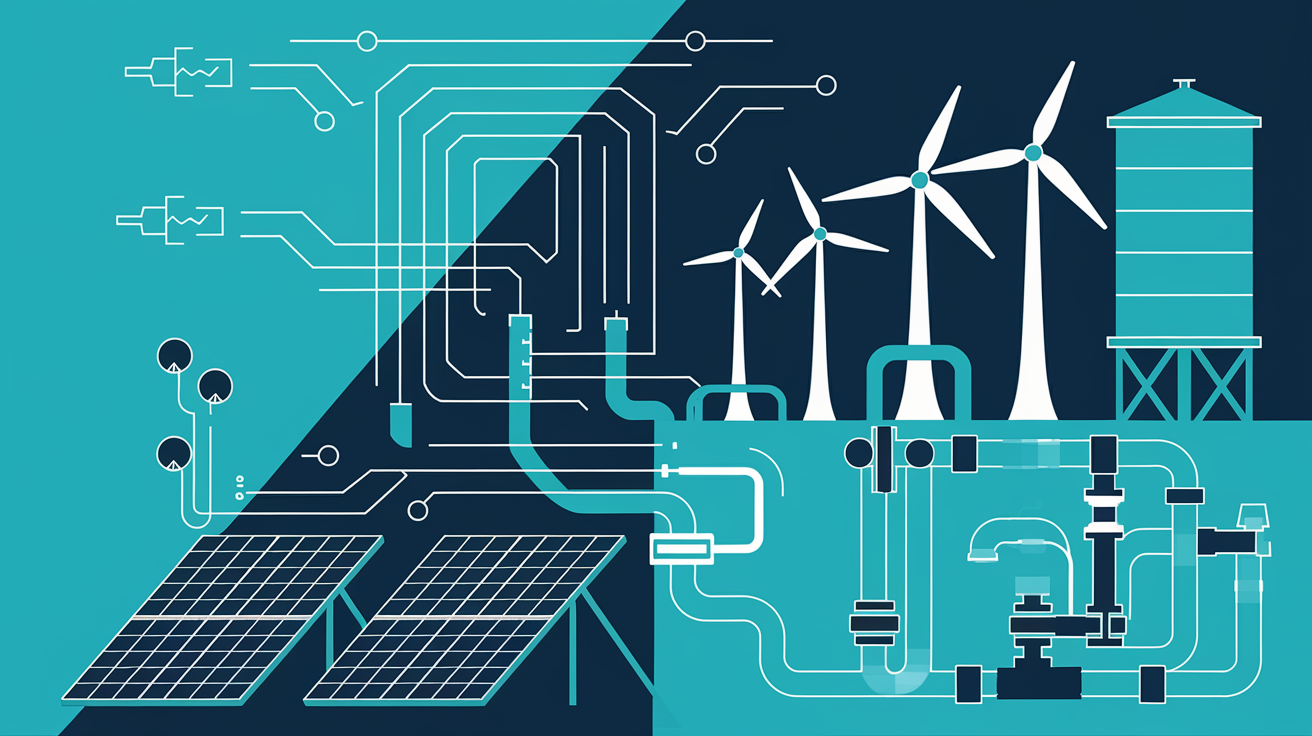
For decades, engineers designing desalination systems have focused on energy efficiency — reducing kWh per cubic meter. And they've made significant progress in that area. But renewable energy changes the equation entirely. Solar electricity approaches zero marginal cost at peak production. The real barrier isn't how much energy you use — it's when it's available. Conventional systems address this with batteries. We address it with water tanks.
AI-ENABLED CONTROL
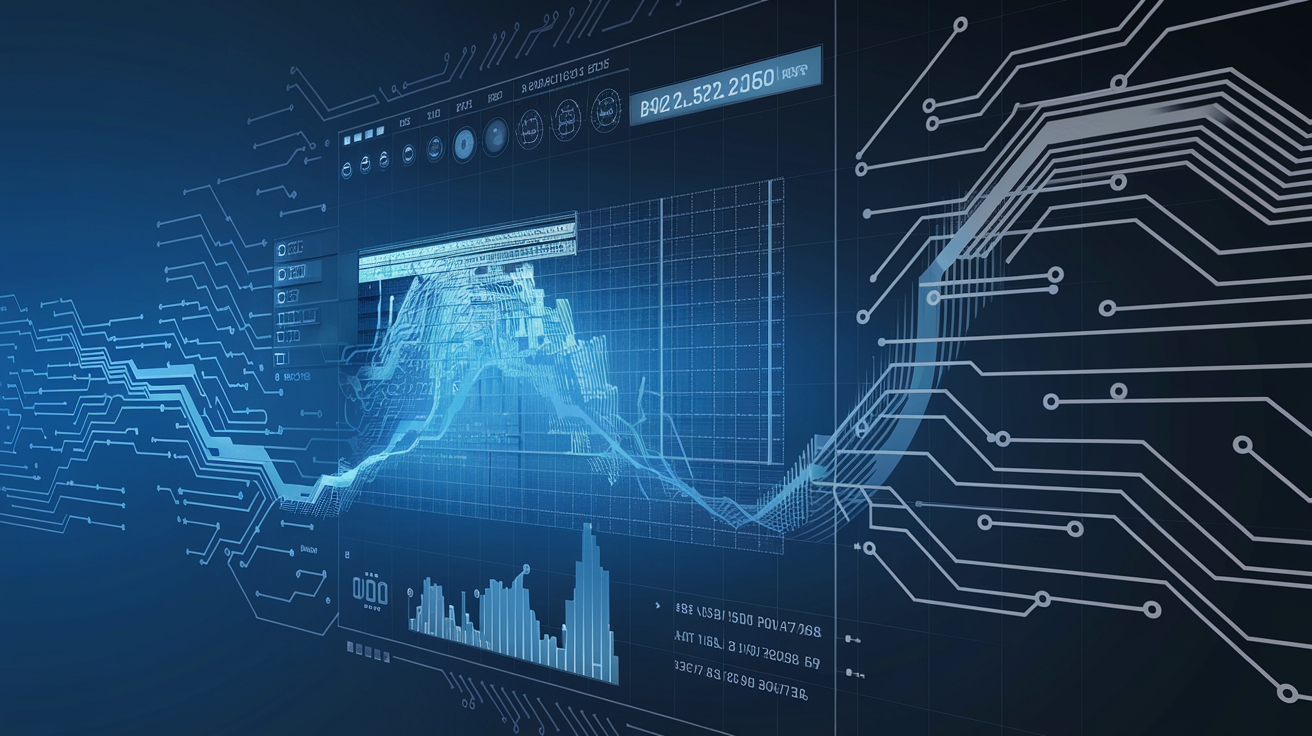
Our AI controller continuously predicts solar availability and dynamically adjusts membrane recovery rates between 15% and 60%. When solar production peaks, the system maximizes water output and fills storage tanks. When energy wanes, production throttles gracefully. The result: reliable 24-hour water supply from an intermittent energy source, without expensive battery banks.
Machine learning forecasts energy availability hours in advance, enabling intelligent production scheduling
Membrane recovery rates adjust continuously, matching output to available renewable energy
Systems operate without human intervention, adapting to diverse environmental conditions
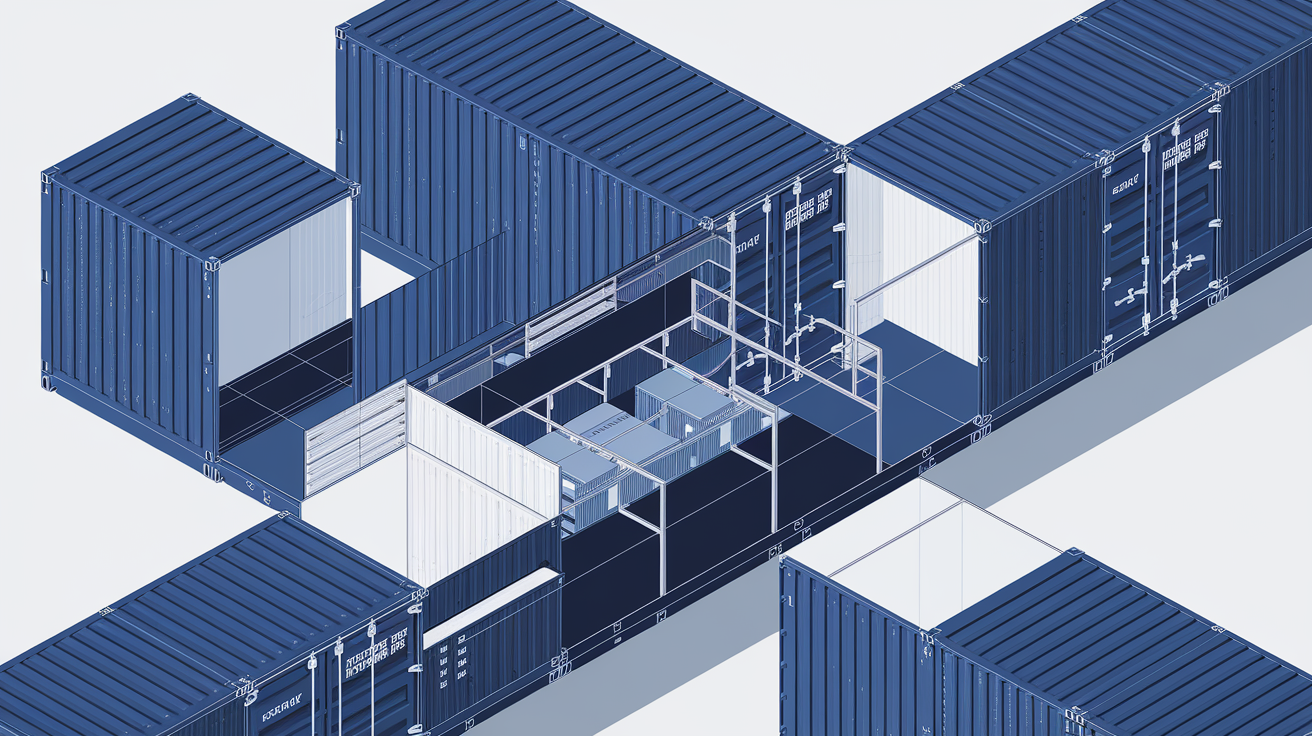
Customizable desalination systems constructed from standard shipping containers, assembled like LEGOs. Pre-engineered modules minimize on-site construction. Standardized interfaces reduce integration complexity. Factory-tested for operational readiness upon delivery. Deploy in weeks, not years.
See Applications →Unlike conventional plants requiring grid connections, our systems operate directly on renewable power sources with minimal battery backup. The "store water not electrons" approach reduces battery requirements by 60-80% compared to conventional system designs, achieving cost parity with grid-powered installations, today, and cost superiority in the future.
Discover how variable recovery technology transforms desalination for emergency response, agriculture, and remote communities